

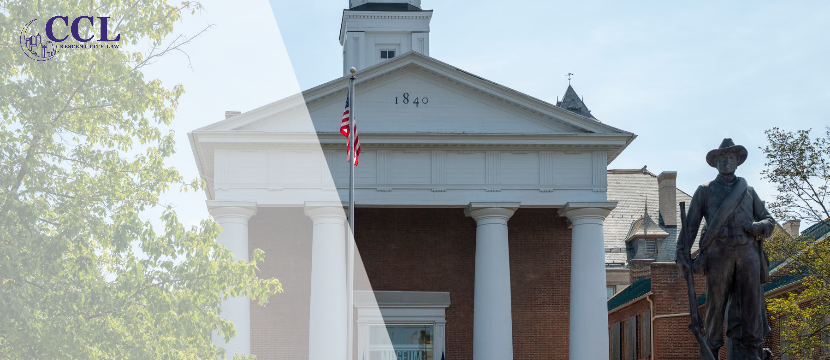
If you’re facing charges in northwest Louisiana and wondering how to protect yourself, understanding that you hold important rights from the moment of arrest through every court appearance in Caddo Parish helps you recognize why exercising those rights wisely can shape your entire case. An arrest can leave you feeling powerless, but the law gives you protections that a good defense knows how to use. Working with an experienced Shreveport criminal defense attorney ensures those rights are respected and enforced. At Crescent City Law, John Radziewicz and Spencer Duet defend clients across Louisiana, bringing courtroom experience and a strategic, client-focused approach to every case, including those in the Shreveport area.
This guide explains the rights you hold at each stage of a criminal case in Caddo Parish, from the initial stop and arrest through booking, arraignment, discovery, and resolution, and how a defense attorney puts those rights to work on your behalf. Whether you face a misdemeanor or a felony, knowing your protections helps you avoid mistakes and make confident decisions.
Companion Article: If a loved one has been arrested, read our practical overview of what to do when someone you know gets arrested.
What Are Your Rights During an Arrest?
Your rights begin the moment you are stopped or taken into custody, and how you use them can affect everything that follows. Many people unintentionally weaken their own case by talking too much or misunderstanding what they must do. Knowing your protections in advance keeps you from making costly errors.
What Is Your Right to Remain Silent?
You have the right to remain silent, and using it is one of the most important protections available to you. Politely declining to answer questions that could incriminate you is not an admission of guilt; it is a sound safeguard of your defense. Once you have an attorney, your lawyer can communicate with investigators on your behalf. Knowing what to do when you get pulled over helps you conduct yourself during an encounter, and our overview of what not to do if you get pulled over highlights common mistakes to avoid. John Radziewicz stresses that quiet composure often protects a case more than any explanation could.
What Are Your Rights Regarding Searches?
You also have protections against unreasonable searches, and understanding them matters because improperly obtained evidence can sometimes be challenged. Whether officers had a valid basis for a search is a question a defense attorney examines closely. If your rights were violated, that can become a significant part of your defense. Our criminal defense practice reviews how evidence was gathered in every case to determine whether procedures were followed. Because these questions are technical and fact-specific, it is best to have an attorney assess the details rather than assume a search was proper. Spencer Duet regularly scrutinizes the circumstances of a stop and search for exactly these openings.
What Happens After You Are Booked in Caddo Parish?
Once you are booked, the case begins to move through the parish system, and your rights continue to guide what happens next. Understanding the early steps helps you and your family respond effectively. Release is usually the first pressing concern.
How Does Bail and Release Work?
Booking is the administrative step that formally records your arrest. Afterward, a judicial officer sets conditions of release, which may include bail posted through cash or a bond. You retain your rights throughout, including the presumption of innocence before any conviction. Louisiana’s civil-law procedures have their own structure, so a local defense lawyer’s familiarity helps. Understanding how the bail process works clarifies the factors judges weigh when setting release conditions. Acting quickly can shorten the time a loved one spends in custody and allow your defense to begin sooner across any Louisiana parish.
Why Should You Involve an Attorney Early?
The right to counsel is one of your most valuable protections, and using it early makes a real difference. An attorney can begin reviewing the arrest, preserving evidence, and preparing for the first court date before mistakes compound. Retaining private counsel gives your case dedicated attention, which is a central benefit of hiring your own defense lawyer. Crescent City Law offers a free initial consultation, so there is no cost to learn where you stand and how your rights apply to your situation. The sooner an attorney is involved, the more can be done to protect you.
What Are Your Rights in the Caddo Parish Court Process?
Your rights do not stop at booking; they continue through every court appearance. Understanding the sequence of the process helps you exercise those rights effectively. Each stage has a purpose and its own protections.
What Rights Do You Have at Arraignment?
Your arraignment is typically the first formal appearance, where the charges are read and you enter a plea. You have the right to understand the charges against you and to plead not guilty, which preserves your defense options. This is a procedural gateway rather than a moment to argue the facts. Knowing what happens at an arraignment in Louisiana helps you understand the appearance in detail. Presenting yourself well also matters, and our guidance on how to prepare for a court appearance helps you make a respectful impression before the court.
What Is Your Right to See the Evidence Against You?
You have the right to see the evidence the state intends to use, and this discovery process is where many defenses take shape. Reviewing reports, recordings, and other materials reveals whether proper procedures were followed and whether the evidence supports the charge. Understanding how discovery law can help your case explains why this stage is so important. A thorough review often uncovers weaknesses that lead to reduced or dismissed charges. Spencer Duet uses this stage to test the strength of the prosecution’s case and to identify every opportunity to protect his clients’ rights.
How Do You Protect Your Rights Throughout Your Case?
Protecting your rights is an ongoing effort that continues long after the first court date. Staying informed and compliant keeps your case on solid footing. Small missteps can undo hard-won progress, so awareness matters.
What Should You Do About a Warrant?
Learning that a warrant has been issued for you is stressful, but ignoring it only makes matters worse. Turning yourself in with a lawyer’s guidance is almost always better than being arrested unexpectedly, because it lets you control the timing and prepare for release. Knowing what happens when you turn yourself in for a warrant helps you handle the process responsibly. An attorney can often arrange the surrender in a way that minimizes time in custody and demonstrates good faith to the court, protecting your standing as the case proceeds.
How Do You Stay Compliant With Court Conditions?
If you are released on bail or placed on probation, the court sets conditions you must follow. Violating those conditions can lead to new consequences, sometimes more serious than the original charge. Staying compliant means attending every hearing, following any supervision requirements, and avoiding new offenses. Understanding what happens if you violate probation shows how quickly a misstep can escalate. Knowing how long a case may take also helps you stay patient and prepared, which our article on how long a case takes to close explains in helpful detail.
Frequently Asked Questions
Do I Have to Answer Police Questions in Caddo Parish?
No. You have the right to remain silent, and using it protects you from making statements that could be used against you. Politely declining to answer questions until you have an attorney present is not an admission of guilt; it is a sound protection of your rights. Once you have counsel, your lawyer can communicate with investigators on your behalf. Our guide on what to do when you get pulled over explains how to conduct yourself during an encounter so you avoid unintentionally harming your own defense from the very start.
Do I Need a Lawyer for a Charge in Caddo Parish?
Yes. Even a charge that seems minor can carry consequences reaching your job, your record, and your future. A defense attorney reviews the evidence, protects your rights, and looks for opportunities to reduce or dismiss the charge that you might not spot on your own. Louisiana’s civil-law procedures differ from other states, so local knowledge matters. Retaining private counsel gives your case focused attention, as our guide on hiring a private defense lawyer explains. The sooner you involve an attorney, the more options you preserve for a strong defense.
How Is Bail Determined in Louisiana?
A judicial officer sets bail after weighing the seriousness of the alleged offense, your ties to the community, and any prior record. Bail may be posted through cash, a bond, or occasionally a release on your own recognizance. The purpose is to ensure you return to court while respecting your rights before any conviction. Because the amount and conditions vary widely, acting quickly matters. Our overview of how the bail process works describes the factors judges consider so you and your family can prepare for the first appearance.
What Rights Do I Have at My First Court Appearance?
At your arraignment, you have the right to understand the charges against you and to enter a plea. Pleading not guilty preserves your defense options and gives your attorney time to review the evidence. This appearance is procedural rather than a place to argue the facts of your case. Knowing what to expect reduces anxiety and helps you conduct yourself appropriately. Our article on what happens at an arraignment in Louisiana explains the appearance step by step so you walk in prepared and confident about your rights.
Can Evidence Against Me Be Challenged?
Yes. You have the right to see the evidence the state intends to use, and that discovery process often reveals whether proper procedures were followed. Improperly obtained evidence can sometimes be challenged, and weaknesses in the state’s case can create leverage for the defense. This is why the review stage is so important. Our discussion of how discovery law can help your case explains the process. A thorough examination of the evidence and how it was gathered often uncovers opportunities to reduce or dismiss charges.
What Happens if I Have a Warrant?
Ignoring a warrant only makes matters worse. Turning yourself in with a lawyer’s guidance is almost always better than being arrested unexpectedly, because it lets you control the timing and prepare for release. An attorney can often arrange the surrender to minimize time in custody and show good faith to the court. Our article on what happens when you turn yourself in for a warrant explains how to handle it responsibly. Addressing a warrant promptly with legal help protects your standing as your case proceeds.
What if I Violate My Bail or Probation Conditions?
Violating the conditions of bail or probation can lead to new consequences, sometimes more serious than the original charge. Staying compliant means attending every hearing, following any supervision requirements, and avoiding new offenses. If you are worried about a possible violation, speak with an attorney before the situation escalates. Our overview of what happens if you violate probation explains how quickly a misstep can create additional problems. Consistency protects the progress your defense has made and keeps your case on the strongest possible footing.
Can I Clear My Record After My Case?
In some situations, yes. Louisiana allows certain arrests and convictions to be expunged, which can remove them from public view and improve future opportunities. Eligibility depends on the offense, the outcome, and how much time has passed, so not every record qualifies. Because the requirements and deadlines are specific, it is best to confirm your eligibility with an attorney. Our guide on whether you need a lawyer to file for expungement explains the process and why professional guidance helps you avoid costly mistakes that could delay clearing your record.
Contact Crescent City Law for a Free Consultation
If you are facing criminal charges in northwest Louisiana or anywhere in the state, do not wait to protect your rights. The earlier you involve a defense attorney, the more options you have for a favorable outcome. Crescent City Law is ready to review your situation and explain your next steps at no cost.
Call us today: 504-264-9492
Visit us at:
Reach out today so John Radziewicz and Spencer Duet can begin protecting your rights.
Serving the Greater New Orleans Area
Crescent City Law proudly serves clients throughout the New Orleans metro and surrounding Louisiana parishes, including:
- New Orleans
- Metairie
- Kenner
- Gretna
- Harvey
- Marrero
- Chalmette
- Slidell
- Covington
- Mandeville
- Algiers
- Belle Chasse
- Jefferson
- Laplace
Contact us today at 504-264-9492 for your free consultation.
Conclusion
Understanding the rights you hold in Caddo Parish, from the right to remain silent and protections against unreasonable searches to your rights at arraignment and in the discovery process, gives you the confidence to make sound decisions at every stage. The system is demanding, but your rights are powerful when a skilled defense enforces them. Crescent City Law serves clients across Louisiana from its New Orleans base, including those in New Orleans, Metairie, Kenner, and Slidell, and is ready to help clients in the Shreveport area as well. John Radziewicz, the firm’s founder and a notary public for Orleans Parish, and Spencer Duet, certified by the National College of DWI Defense Lawyers in standardized field sobriety testing, bring focused, experienced representation to every case. Crescent City Law offers a free initial consultation, so there is no cost to learn where you stand. If someone you care about has been arrested, take a moment to review what to do when someone you know gets arrested and then reach out to protect your rights.